The History of the Calendar: Why We Celebrate New Year on January 1st
Exploring the origins of the January 1st date, the role of ancient Roman reforms, and the diversity of global New Year traditions.
 👥Society
Photo: TSN
Key points
- January 1st became the start of the year due to Julius Caesar's reform.
- The name of the month comes from the god Janus.
- The Gregorian calendar unified the date for most of the world.
While for most residents of Uzhhorod January 1st is the standard date for the start of a new annual cycle, the history of this holiday spans millennia. Modern chronology, established by the Gregorian calendar, is the result of long-term reforms that changed the perception of time across different cultures.
From Ancient Rites to the Julian Calendar
In ancient times, the beginning of the year was often linked to natural cycles, such as river floods or the spring equinox. The Babylonians, for example, celebrated the Akitu festival in the spring. The status of January 1st as the official start of the year was firmly established by Julius Caesar in 46 BC, who dedicated the month to Janus, the god of transitions and new beginnings.
Cultural Diversity of Traditions
Despite the global unification of the calendar, the world retains unique customs for welcoming the New Year. While Spaniards eat 12 grapes for good luck, Italians prepare lentils as a symbol of prosperity, and in Japan, Buddhist temples ring bells 108 times for spiritual cleansing.
For many nations, the New Year remains a time for reflection, where people gather together to share their plans for the future.
Source TSN — tsn.ua/tsikavinki/koly-sviatkuiut-novyy-rik-chomu-data-prypadaye-na-1-s… ↗
Read next
 🚨Events
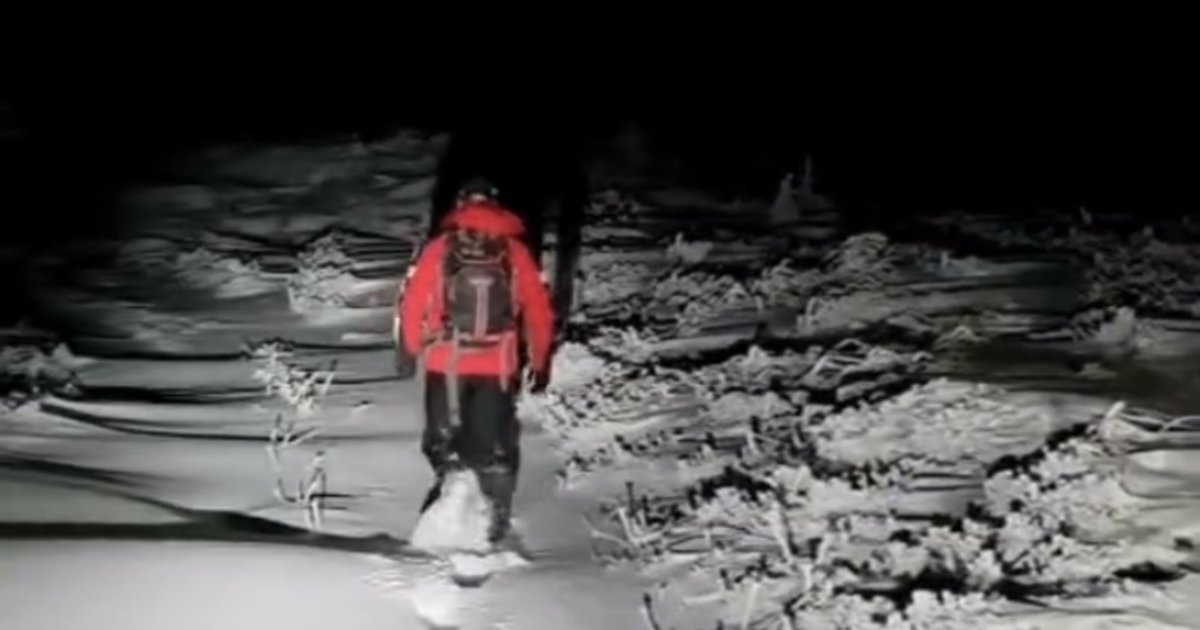
Two Ukrainians Rescued in Romanian Mountains Amid -12°C Temperatures
Romanian mountain rescuers and border guards successfully evacuated two Ukrainian men, aged 27 and 40, who were stranded in the Maramureș mountains during a severe cold s…
 🚨Events
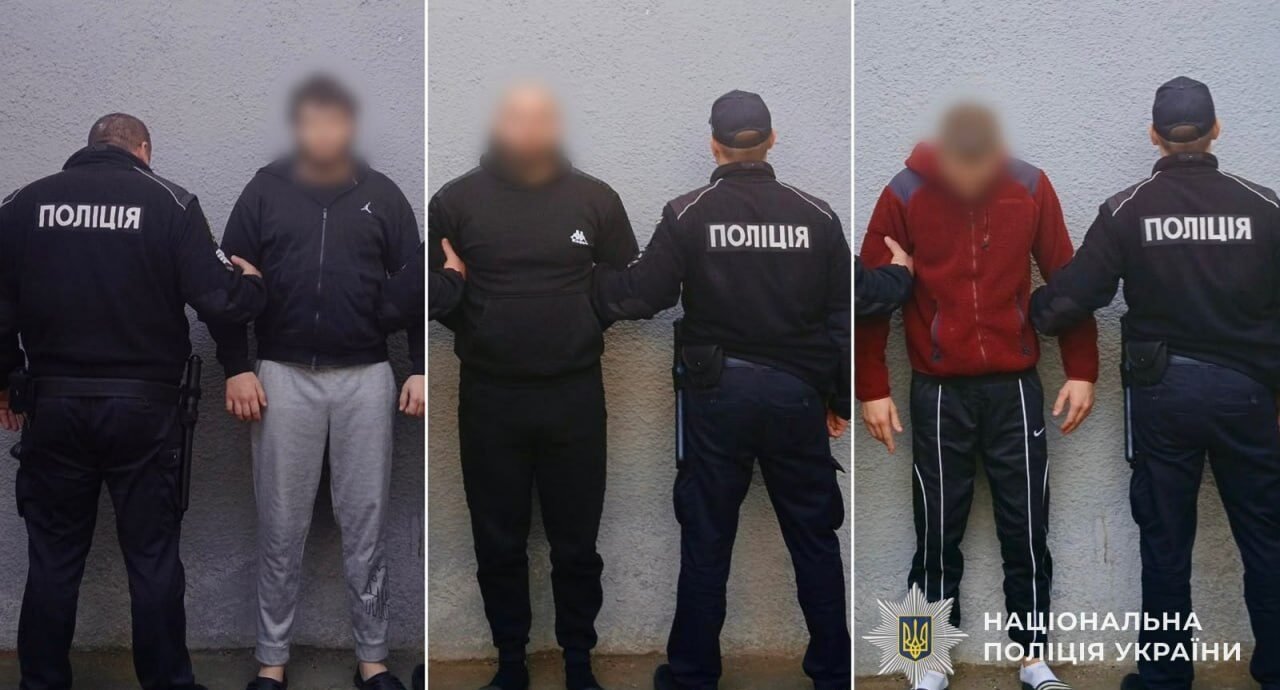
Nighttime Brawl in Hust: Police Detain Three Suspects
Law enforcement officers in Hust have detained three men involved in a violent altercation outside an entertainment venue that left two people injured.
 🛡️Security
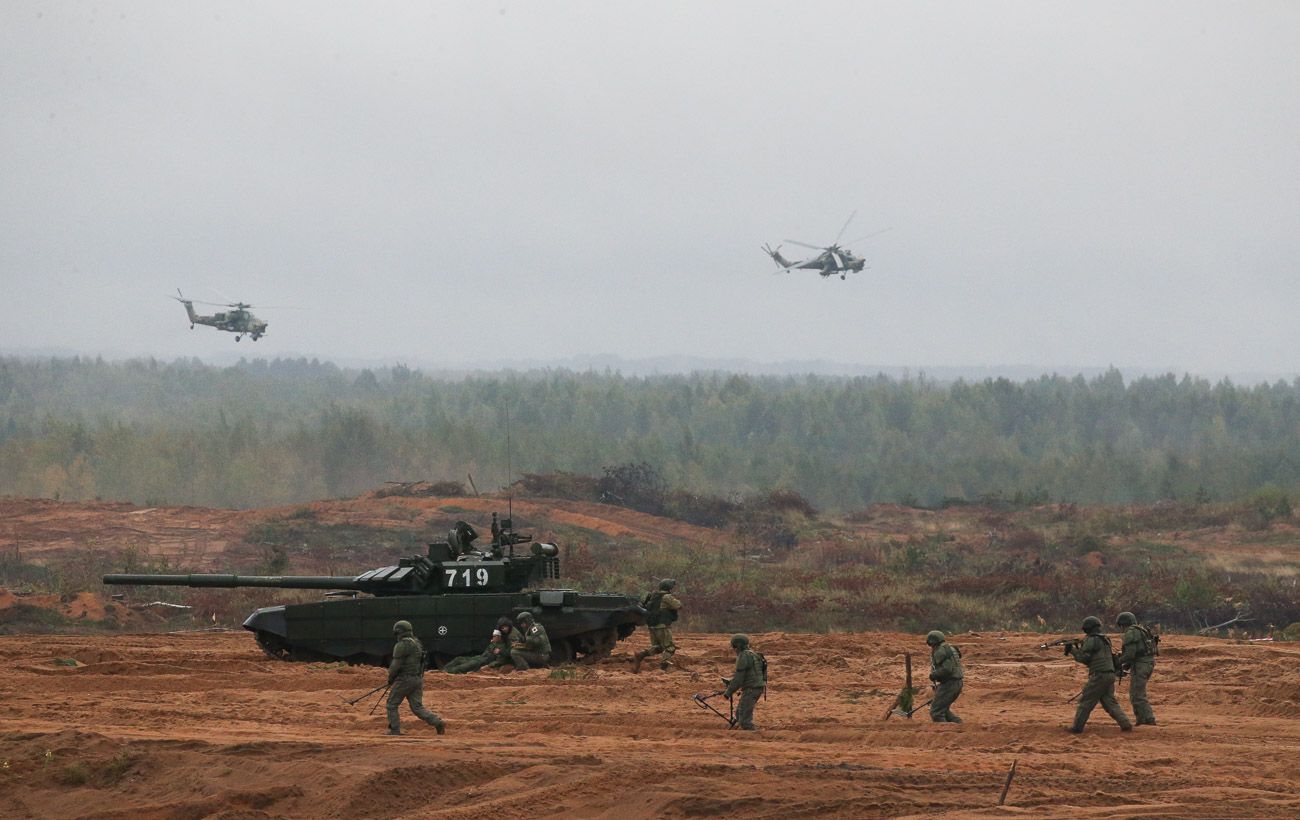
Russia Expands Military Infrastructure Near Finnish Border: New Satellite Data
Russia is rebuilding the Kamenka garrison near the Finnish border, preparing to house up to 11,000 troops and a new training center.
 🛡️Security
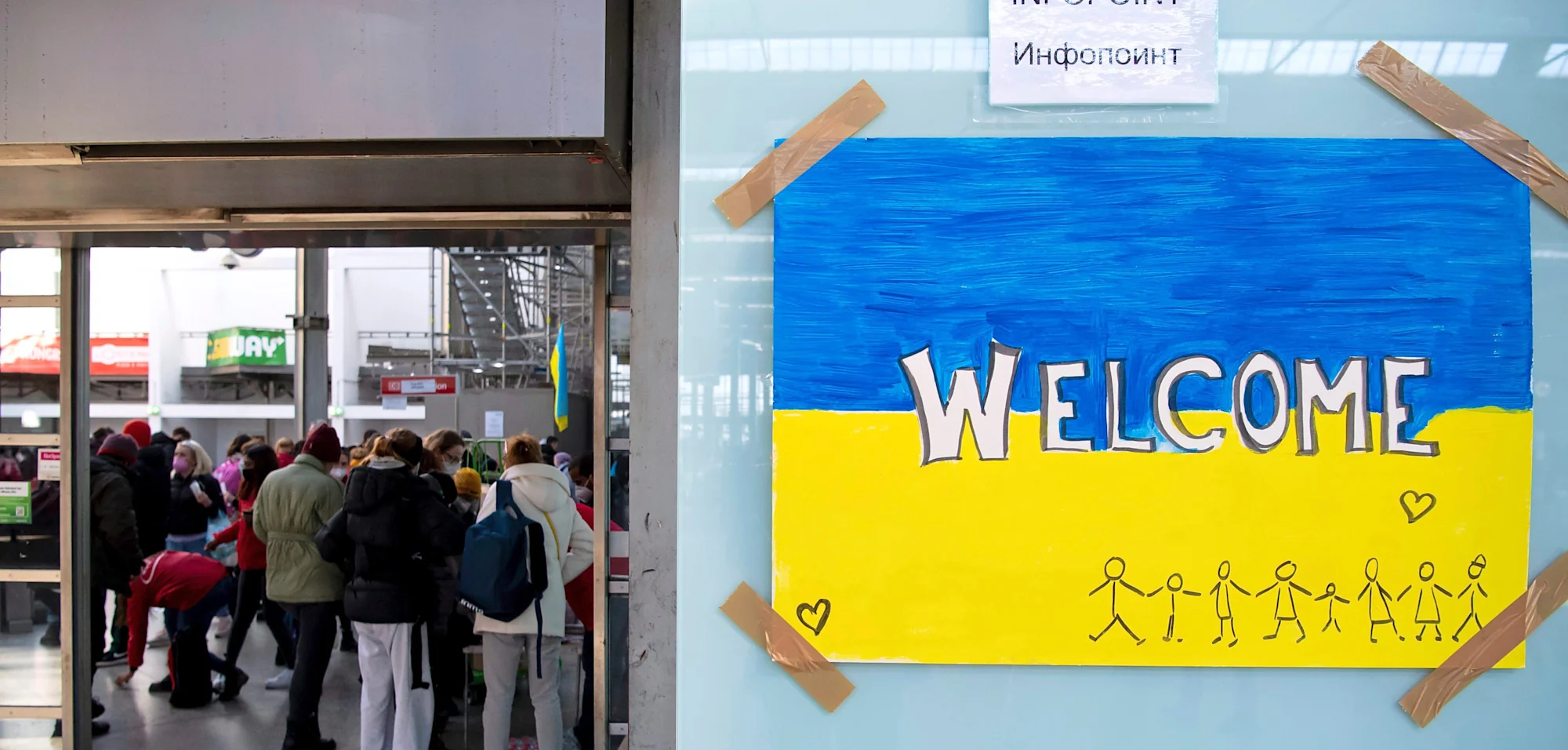
Munich to House Ukrainian Refugees in Former BMW Offices
The municipality of Munich has leased part of a former BMW administrative complex to create temporary housing that will accommodate up to 600 people, primarily Ukrainian …
 🧠AI Analysis
Drone Strike Ignites Fire at Lukoil Oil Refinery in Russia's Perm
A major Russian oil refinery, Lukoil-Permnefteorgsintez, caught fire following a drone attack, targeting critical processing units.
 🇺🇦Ukraine
Energy Record: DTEK Restores Power to 3.5 Million Families in One Week
DTEK energy workers have restored electricity to a record number of consumers in over 1,800 settlements following massive attacks on the grid.