Microplastics in water: new findings on chemical activity and cell damage
Researchers have discovered that microplastics in water are not just passive pollutants but can trigger chemical reactions that damage biological structures.
 🩺Health
Photo: TSN
Key points
- Microplastics trigger reactive oxygen species in water
- Chemical activity on plastic surfaces can damage cells
- Heating plastic containers increases the release of microparticles
Scientists from Columbia University and the University of California, Berkeley, have revealed that microplastics pose a greater threat than previously thought. Their research shows that plastic particles in water act as catalysts for chemical reactions, generating reactive oxygen species that can damage proteins and DNA.
How microplastics affect cells
The study analyzed six common types of plastic, such as polyethylene and polypropylene. It was found that the surface properties of these plastics create conditions for electron transfer when in contact with water. This process generates hydroxyl radicals, which are capable of compromising cellular integrity.
Experiments involving mouse red blood cells showed that exposure to microplastics can cause cells to change shape and rupture. The danger is amplified as plastic breaks down into smaller fragments, increasing the surface area available for these chemical interactions.
Microplastics are not merely passive debris; they are chemically active materials that can interact with biological substances.
Sources of this contamination include not only waste but also laundry from synthetic fabrics, manufacturing processes, and the heating of plastic containers. While these lab results do not confirm specific human diseases, they highlight the complex nature of plastic pollution and the importance of cautious handling of plastic items in daily life.
Source TSN — tsn.ua/zdorovya/mikroplastyk-vyiavyvsia-nebezpechnishym-niz-vvazaly-shc… ↗
Read next
 💡Tech
Geographical Myth: Why Everest is Not the Tallest Mountain on Earth
Scientists clarify that the title of Earth's tallest mountain belongs to the Hawaiian volcano Mauna Kea when measured from its base on the ocean floor.
 🏛️Politics
Jared Kushner Outlines Trump's Conditions for Security Guarantees for Ukraine
Jared Kushner, special envoy for Donald Trump, stated that the US may consider security guarantees for Ukraine similar to NATO's Article 5.
 🎭Culture & Sport
National Guard soldier becomes a contestant on 'The Voice of Ukraine-14'
Taras Redziy, an officer of the National Guard, successfully passed the blind auditions, joining Natalia Mohylevska's team.
 🏛️Politics
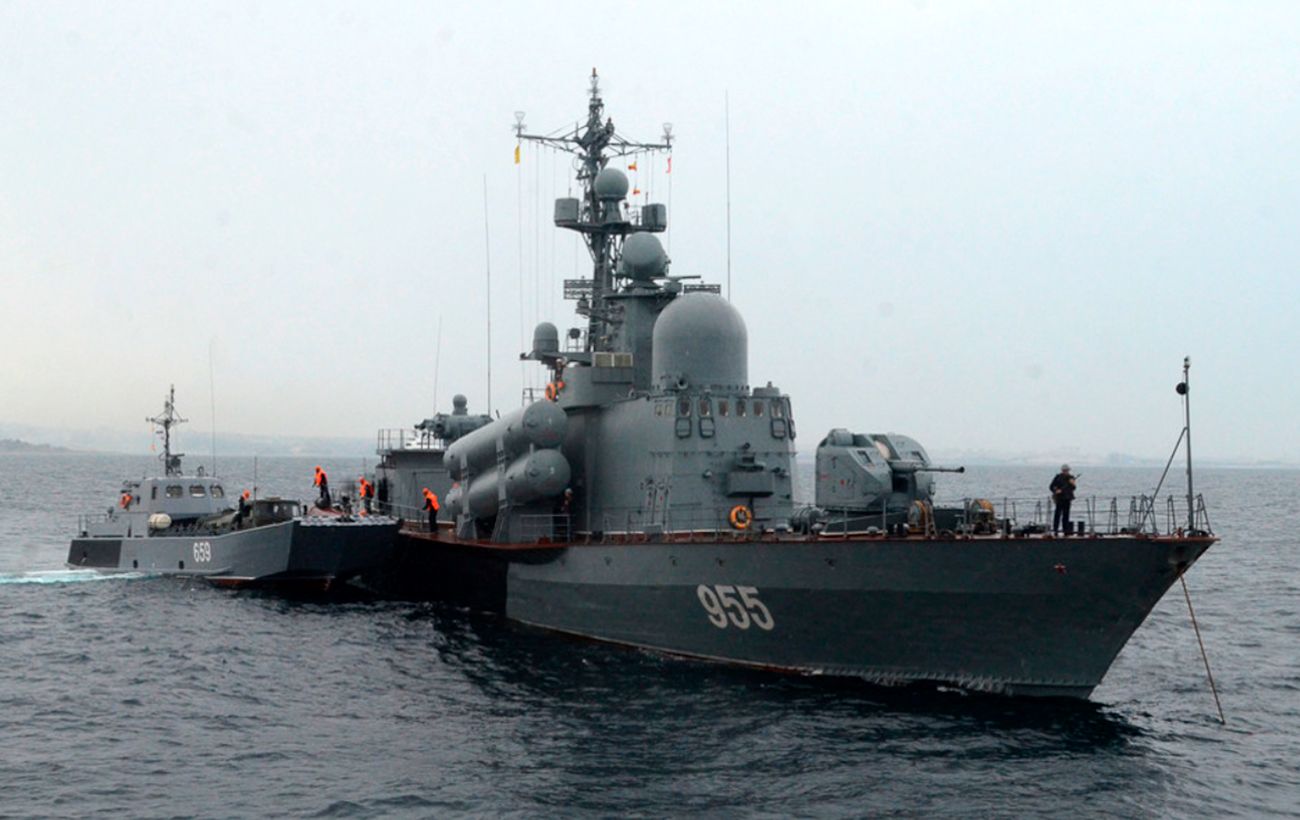
Russian Corvette 'Mercury' Damaged in Libya: Possible Ukrainian Involvement
A Russian warship sustained significant damage in the port of Benghazi following a sea drone attack. Reports suggest Ukrainian military specialists may be linked to the o…
 🏛️Politics
Diplomatic Maneuvers Surrounding the End of the War: Positions of the US, Europe, and Ukraine
The Donald Trump administration aims to conclude peace negotiations regarding Ukraine by January 2027, but European leaders and Kyiv have expressed reservations about the…
 🏙️City
German Armed Forces conduct first kamikaze drone exercises in Lithuania
The Bundeswehr tested strike drones for the first time during exercises in Lithuania, marking a shift in Germany's defense modernization strategy.