EU Budget Disputes: Czech PM Opposes Direct Funding for Ukraine
Andrej Babiš criticized the EU budget draft over significant spending on Ukraine and reductions in subsidies for the Czech Republic.
 💼Economy
Photo: UNIAN
Key points
- Andrej Babiš demands that Ukraine's funding be moved outside the EU budget.
- The Czech Republic faces a reduction of 32 billion euros in its own subsidies.
- Germany threatens to block the budget if countries refuse to aid Ukraine.
Discussions regarding the formation of the European Union's budget for the next seven-year period are intensifying due to disagreements among member state leaders over financial support for Ukraine. Czech Prime Minister Andrej Babiš has publicly criticized the current budget draft, calling it «unacceptable» for his country. The politician's primary grievance is the inclusion of substantial aid for Kyiv directly within the general European budget.
Financial Grievances and Alternative Proposals
According to the Czech head of government, the draft allocates approximately 100 billion euros for support to Ukraine over the next seven years. Babiš is convinced that such expenditures should not be part of the main EU budget. He insists that funding for Ukraine should be handled through separate mechanisms that do not affect the internal subsidies of member states. Simultaneously, he expressed dissatisfaction with high maintenance costs for European institutions, specifically the European Parliament.
The situation is further complicated by proposed funding cuts for the Czech Republic amounting to 32 billion euros. Although the country remains a net recipient of funds (receiving more than it contributes), Prague's contributions to the EU budget are steadily increasing. Babiš views this approach as unfair to the national interests of the Czech Republic.
Regional Context and Neighbors' Positions
The Czech position is not isolated within Central Europe. Slovak Prime Minister Robert Fico has demonstrated similar rhetoric, stating his country's refusal to participate in new EU loan programs for Ukraine. This creates tension between the Visegrád Group nations and Brussels, especially against the backdrop of Germany's firm stance. Chancellor Friedrich Merz, conversely, has threatened to block the budget unless all bloc members agree to joint funding for Ukraine's assistance.
For the residents of Uzhhorod and the Transcarpathia region, these budget battles have direct significance. As our region serves as a key hub for cross-border cooperation, any changes in EU financial policy toward Ukraine could impact the implementation pace of infrastructure projects, border modernization, and social programs funded by European grants.
Source UNIAN — unian.ua/economics/finance/babish-vistupiv-proti-vidilennya-100-mlr… ↗
Read next
 🎓Education
Famous Ukrainian actor Roman Yasinovskyi speaks about financial struggles and work at Franco Theater
The star of "Cyborgs" and "Catching Kaidash" Roman Yasinovskyi admitted he holds the lowest actor category and faces financial hardships despite performing around 18 role…
 🩺Health
Weather changes in Ukraine: forecasters predict snow and frost
Unstable weather with snow, southern rains, and daytime frosts down to -6 degrees is expected across Ukraine during the week.
 🛡️Security
Jet-Powered Geran-5 and Geran-6 Drones: Experts Assess New Aerial Threats
Russian forces have begun deploying new modifications of strike drones equipped with jet engines, significantly outperforming traditional UAVs in speed and destructive fo…
 🚨Events
Tax Burden Amidst Shutdown: State Support Options for ArcelorMittal Kryvyi Rih
Ukraine's largest steel plant has halted operations due to security concerns, raising questions about tax relief and wage subsidies during the standby period.
 🏙️City
Meteorologists forecast a warm December 2026 in Ukraine
Climatologists expect the first month of winter 2026 to be warmer than average, despite potential short-term cold snaps.
 🚌Transport
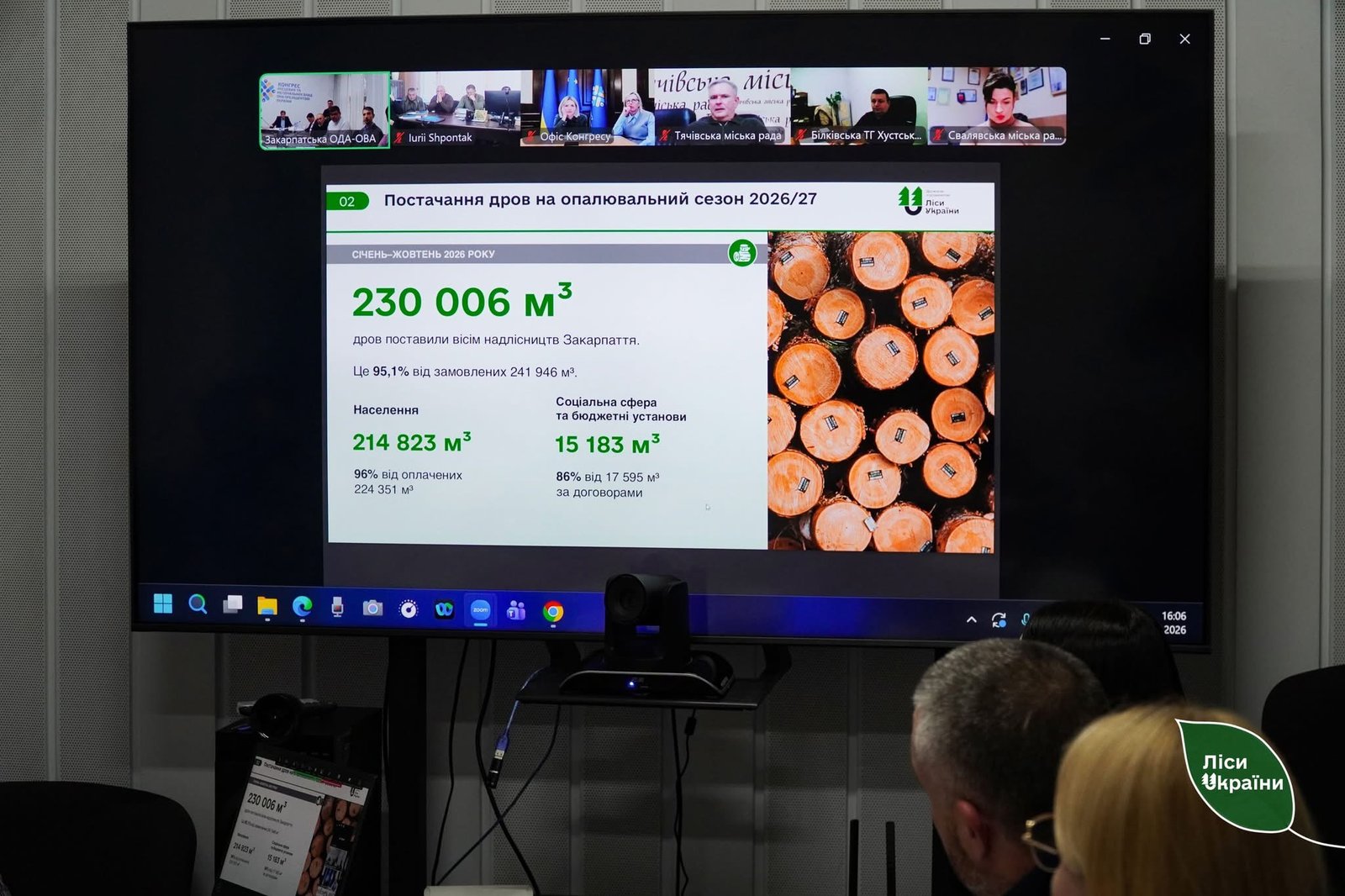
Transcarpathia Sees 38% Increase in Firewood Supplies for Residents and Public Institutions
Forestry enterprises in Transcarpathia increased firewood deliveries to the local population by 38% and to public institutions by 44% over ten months.