A Blow to the Economy: Swedish Media Assess the Critical State of Ukraine's Heavy Industry
Due to ongoing shelling and the energy crisis, Ukraine's metallurgy and mining sectors are on the verge of shutting down, threatening the economy of entire regions.
 💼Economy
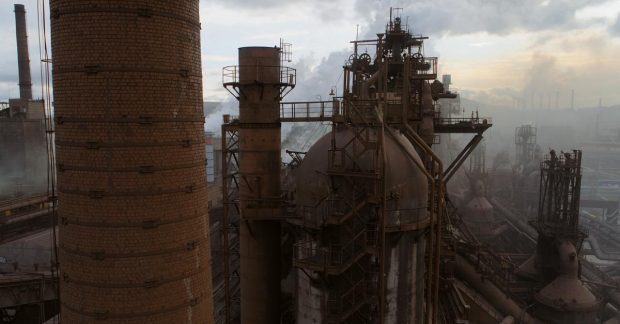
Photo: UNIAN
Key points
- Ukraine's heavy industry has cut steel production by over 80%.
- Plants in Kamyanske and Kryvyi Rih are operating at partial capacity or halted due to shelling.
- Export logistics and energy supplies remain in a critical condition.
Ukraine's heavy industry faces unprecedented challenges due to continuous attacks on energy infrastructure, transport networks, and production facilities. This is highlighted in an extensive report by the Swedish publication Dagens Nyheter, whose journalists investigated the situation in Kamyanske and Kryvyi Rih. According to the report, steelmaking and ore extraction have dropped significantly, with enterprises fighting simply to survive.
In Kamyanske, steel production has been halted since early autumn due to damage sustained by critical plant infrastructure. Restoring destroyed furnaces requires tens of millions of dollars in capital investments. At the same time, plant managers stress that retaining personnel is the most crucial challenge: if skilled workers leave en masse, reviving the factories will become nearly impossible. Industry metrics show a sharp decline: whereas heavy industry generated over 10% of Ukraine's GDP before the full-scale invasion, steel production has now plummeted by more than 80% compared to pre-war levels.
The Domino Effect on Industrial Towns and Logistics
The crisis at these metallurgical giants inevitably causes socio-economic degradation in industrial cities. A substantial portion of the budget in Kamyanske, a city of 200,000 residents, relied on tax revenues from the local mill, and thousands of families depend directly on its operation. A similar situation is observed in Kryvyi Rih, where certain mines and quarries operate at only 20% to 50% capacity. Experts point to energy instability, export logistics bottlenecks caused by railway damage, and limitations at Black Sea ports as primary drivers of this crisis.
If we lose our workers, money will no longer matter. Then we will never be able to restart the plants, — said plant director Oleksandr Tretiakov.
Faced with these challenges, Ukrainian companies have appealed to the government to establish a dedicated industrial support program, similar to existing energy sector initiatives, and to help ease trade restrictions for EU exports. Without restoring production, logistics, and market access, Ukraine risks losing not just individual factories, but entire industrial cities, tens of thousands of jobs, and a vital economic foundation for post-war reconstruction.
Source UNIAN — unian.ua/economics/other/ukrajinska-promislovist-skorishe-mertva-ni… ↗
Read next
 🛡️Security
President warns of new massive Russian missile attacks
Volodymyr Zelenskyy reported intelligence on enemy plans for new strikes against Ukraine and called for the strengthening of air defense systems.
 🛡️Security
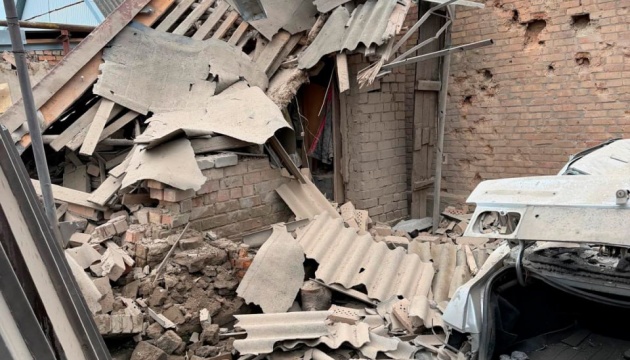
Consequences of massive shelling in Dnipropetrovsk region: casualties reported
Russian forces launched 40 strikes on the Dnipropetrovsk region, resulting in civilian casualties and significant infrastructure damage.
 👥Society
Winter camp session for children from frontline regions begins in Zakarpattia
Over 350 schoolchildren from the Kharkiv and Luhansk regions have arrived in Zakarpattia for the 'Karpatrivska Zmina' project.
 🚨Events
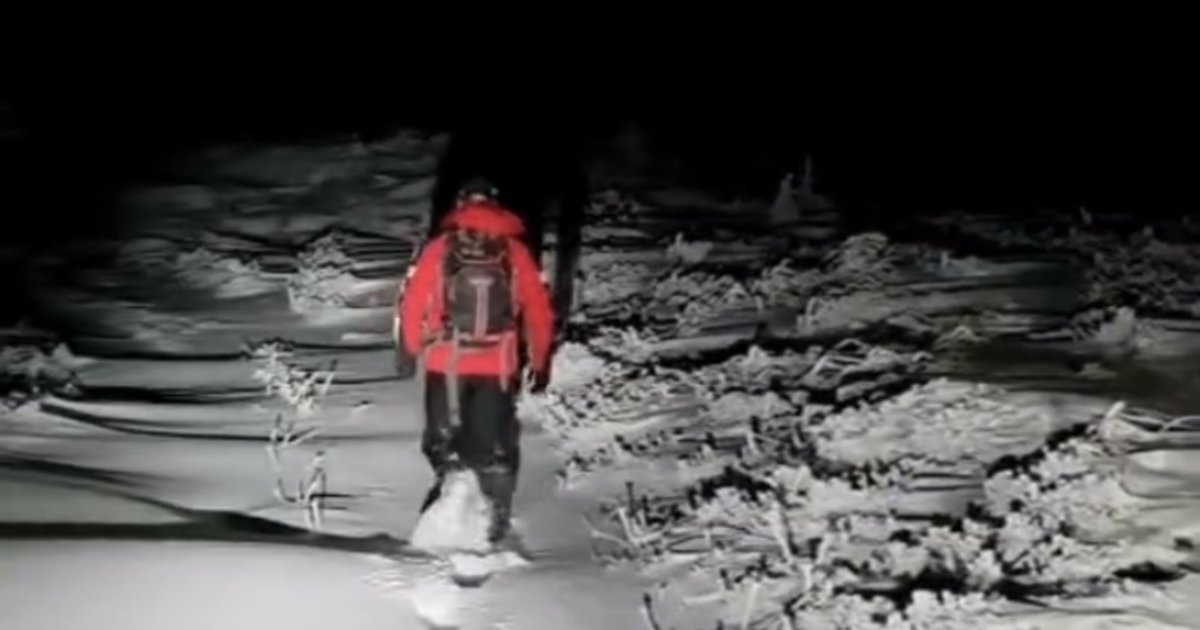
Two Ukrainians Rescued in Romanian Mountains Amid -12°C Temperatures
Romanian mountain rescuers and border guards successfully evacuated two Ukrainian men, aged 27 and 40, who were stranded in the Maramureș mountains during a severe cold s…
 🚨Events
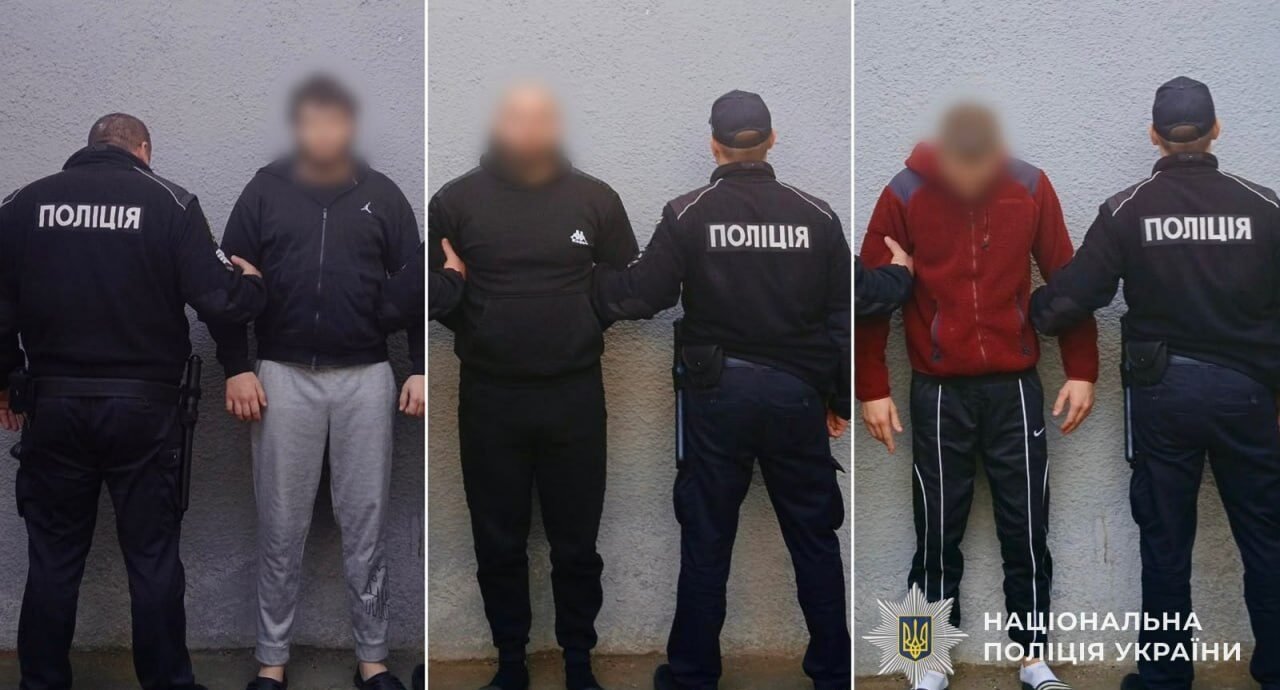
Nighttime Brawl in Hust: Police Detain Three Suspects
Law enforcement officers in Hust have detained three men involved in a violent altercation outside an entertainment venue that left two people injured.
 🛡️Security
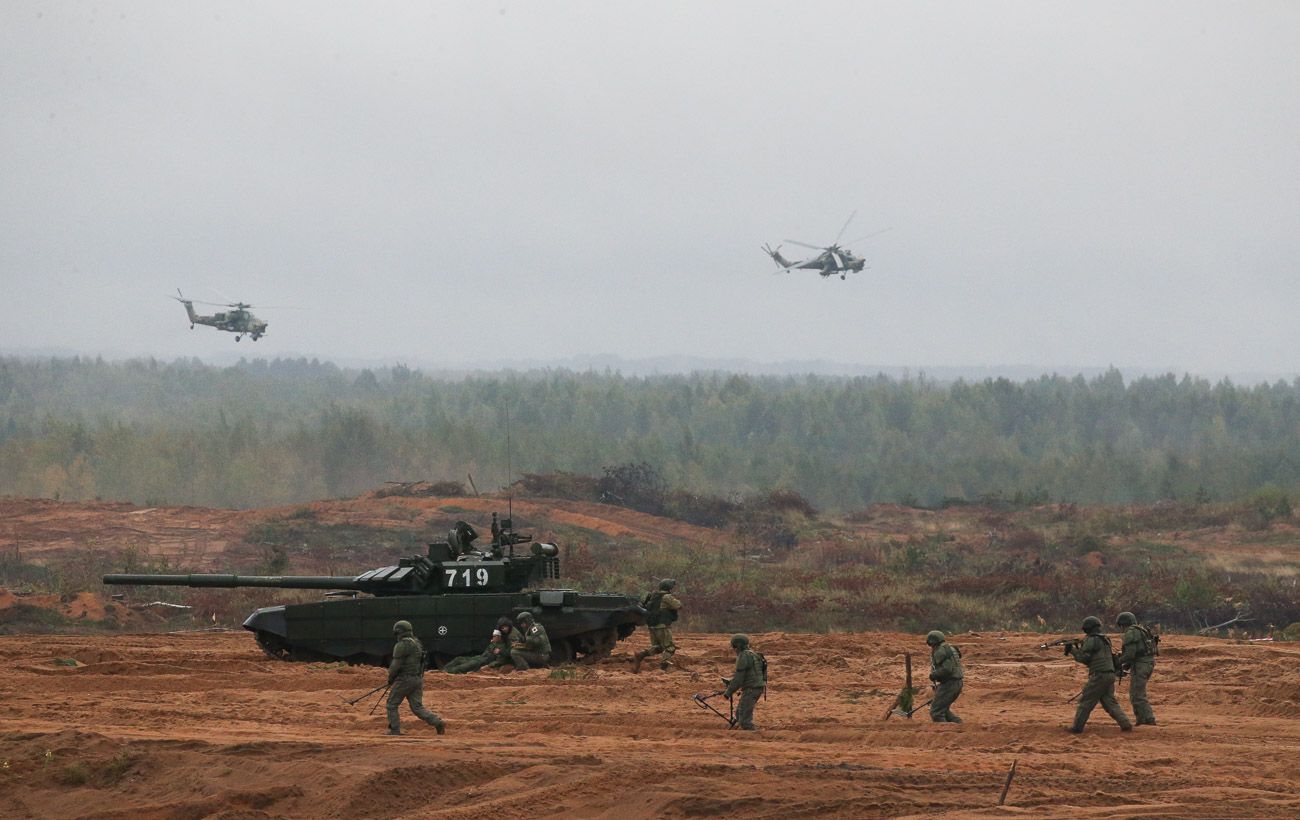
Russia Expands Military Infrastructure Near Finnish Border: New Satellite Data
Russia is rebuilding the Kamenka garrison near the Finnish border, preparing to house up to 11,000 troops and a new training center.