Strengthening Cooperation Between Russia, China, Iran, and North Korea: The Economist Analysis
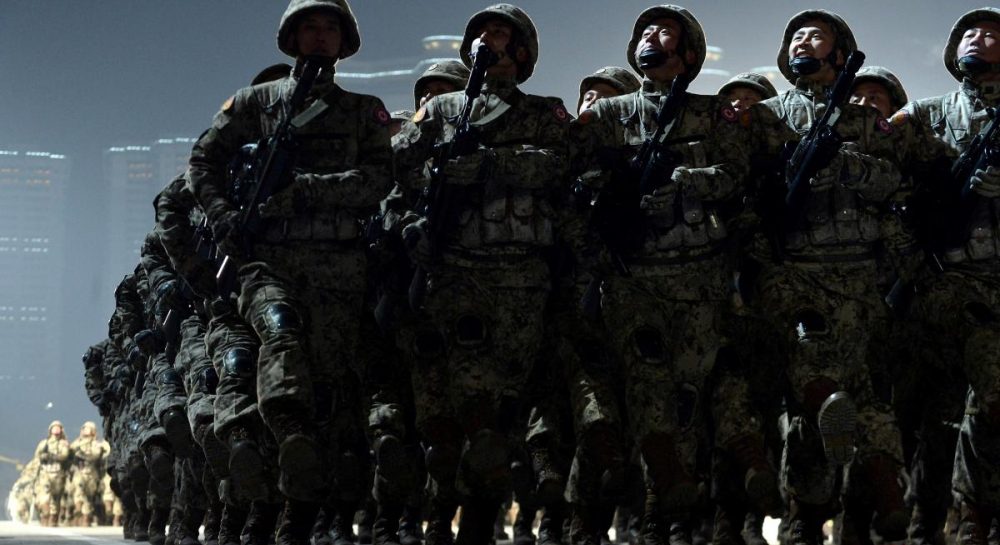
The Economist reports on the formation of an informal alliance between four authoritarian regimes, significantly altering the global balance of power.
 🧠AI Analysis
Photo: UNIAN
Key points
- Formation of an informal alliance
- Over 600 instances of security cooperation
- Lack of unified command despite high coordination
- Difficulties for the West in containing the regimes
A New Geopolitical Reality
Analysts at The Economist highlight the increasing coordination between Russia, China, Iran, and North Korea. This cooperation includes the exchange of military technologies, intelligence, and joint efforts to bypass Western sanctions. According to the FDD think tank, over 600 instances of security cooperation between these nations have been recorded between 2019 and 2025.
Characteristics of the Informal Alliance
While this alliance lacks a NATO-like structure or a unified command, its effectiveness is growing. Experts emphasize that although the interests of these nations do not always align, their mutual support makes them increasingly dangerous. Even without formal mutual defense obligations, their coordinated actions complicate Western efforts to contain them through diplomatic and economic means.
The situation remains fluid amidst shifts in U.S. foreign policy. President Donald Trump has emphasized the value of personal relationships with the leaders of China and Russia, which adds new complexities to the global security architecture and complicates the development of a unified response from Western allies.
Source UNIAN — unian.ua/world/rosiya-knr-iran-ta-pivnichna-koreya-stvorili-neforma… ↗
Read next
 🛡️Security
Rescue operation in Dymer: 89-year-old woman pulled from rubble
Search and rescue operations continue in the village of Dymer, Kyiv region, following a drone strike that claimed nine lives.
 🛡️Security
Russian corvette 'Merkury' reportedly hit by Ukrainian drones in Libya
A Russian naval vessel was damaged in Benghazi, Libya; reports suggest an attack by Ukrainian maritime drones as the potential cause.
 🛡️Security
Russia tests NATO defense algorithms through airspace violations in neighboring countries
Military experts point to the systematic nature of Russian provocations in the Alliance's airspace to test the readiness of air defense systems.
 💡Tech
Scientists revive 40,000-year-old bacteria from permafrost: climate risks
Researchers from the University of Colorado have found that ancient microorganisms are capable of rapid reactivation as temperatures rise.
 👥Society
Ukrainian man grows a 350-kilogram pumpkin
A resident of the Cherkasy region grew a 350-kilogram giant pumpkin in his garden and distributed it to the public for free.
 🇺🇦Ukraine
US Director of National Intelligence: Putin is not America's friend regarding Ukraine
US Director of National Intelligence Jay Clayton clarified that Donald Trump's remarks about Putin refer only to nuclear safety, while reiterating that Russia remains a h…